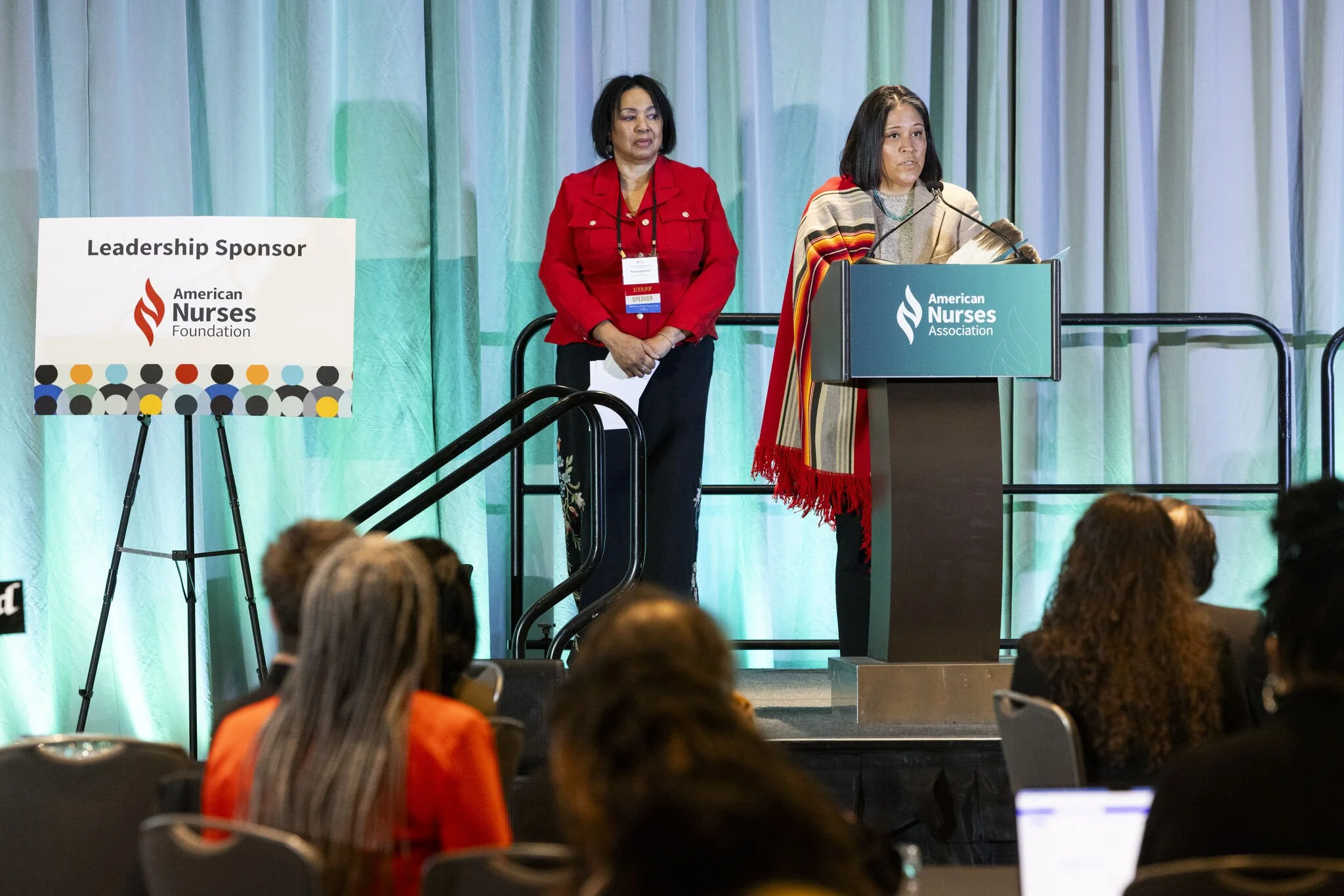
Public Speaking
2026 Opportunity & Impact Summit with the American Nurses Association in Washington, D.C
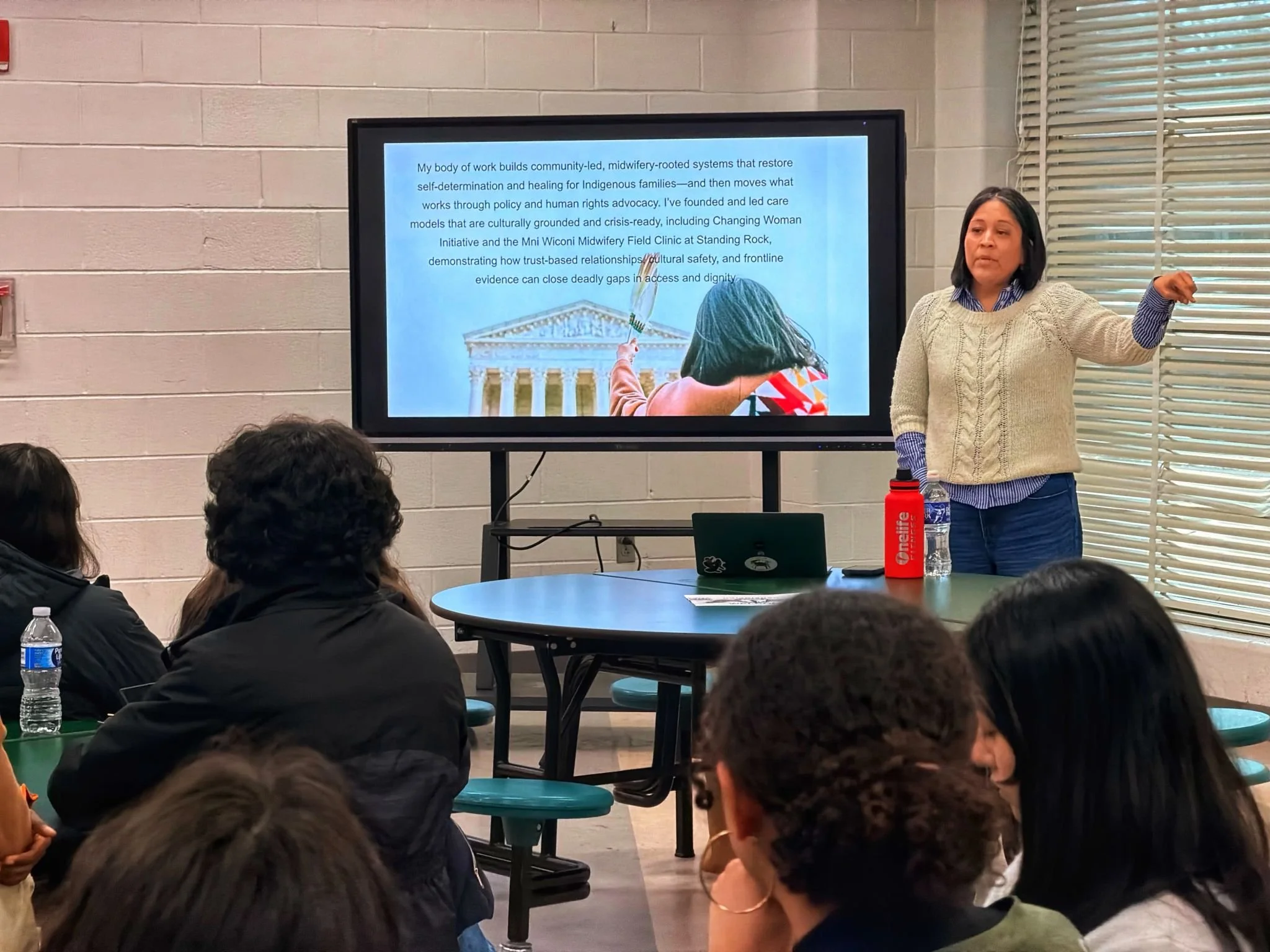

Speaking Topics
I speak on Native American Maternal Health issues, Indigenous midwifery, maternity care deserts, innovation in maternal health, starting a Native American maternal and reproductive health clinic, and home birth practices.
Indigenous maternal health, the strength of our birthing traditions, and the importance of uplifting Indigenous midwifery in this moment. As a Diné Certified Nurse Midwife, Health Policy Analyst, and Native American Maternal Health Strategist, it means a great deal to join this dialogue and share space with others who care about the health, dignity, and future of our communities.
Upcoming Speaking Events
Film Preview + Discussion: Indigenous Maternal Health
Preview screening of What She Carries
March 21, 2026
4:00–6:00 PM
Woody Guthrie Center, Screening Room
102 E Reconciliation Way
Tulsa, OK 74103
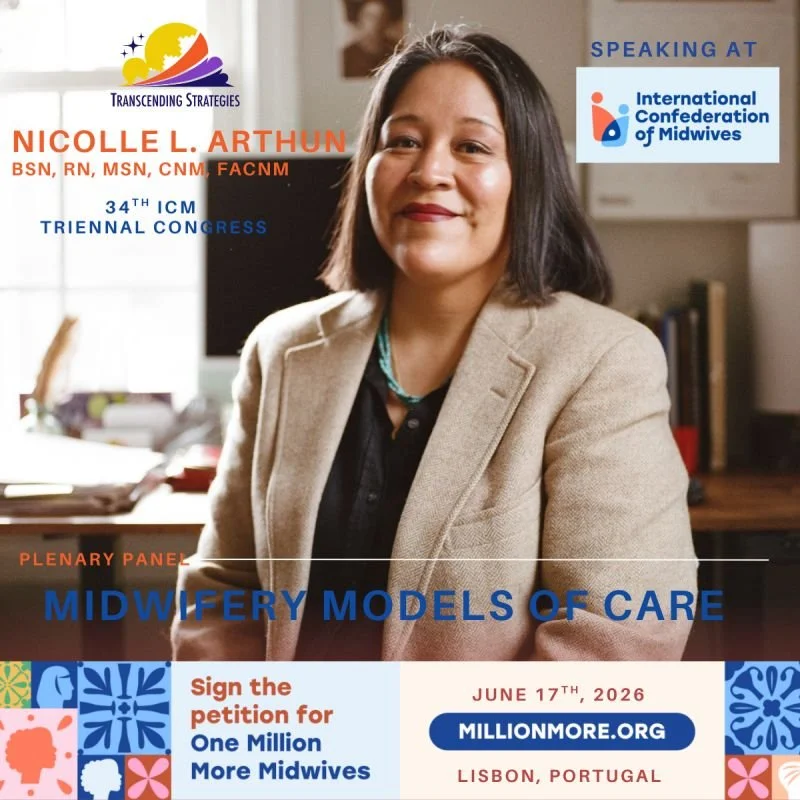
ICM World Congress 2026
On 17 June 2026, I'll join the Midwifery Models of Care Plenary Panel to share what I've learned building and supporting Indigenous-centered midwifery care from the ground up.
In 2015, I founded Changing Woman Initiative (CWI) — born from what I witnessed firsthand: Western medical systems failing Native American women. Systems that erased traditional birthing practices. Systems that created barriers to culturally safe, respectful, equitable care.
CWI exists to change that. To decolonize healthcare. To restore Indigenous wellness sovereignty. And to prove that when midwifery is rooted in community, in culture, and in trust — it works.
The data backs this up. Our recently co-authored policy brief, From Barriers to Bridges: Implementing Access Solutions to Improve AI/AN and Native Hawaiian Maternal Health, documents the crisis and the path forward:
📊 AI/AN women are 2–3x more likely to die from pregnancy-related complications than non-Hispanic white women
📊 Nearly 3x more likely to receive late or no prenatal care
📊 100% of AI/AN maternal deaths studied were preventable
📊 Only 10 IHS obstetric facilities exist nationwide — yet 90%+ of AI/AN births happen outside IHS
This is not inevitable. These are the outcomes of a system that was never designed for us.
At ICM, I'll be sharing my work from vision to implementation with Founding Changing Woman Initiative and my work with other organizations through Indigenous-centered models, traditional healing, workforce development, and community-led care that I work on nationally.
Will you be at ICM 2026? I'd love to connect.
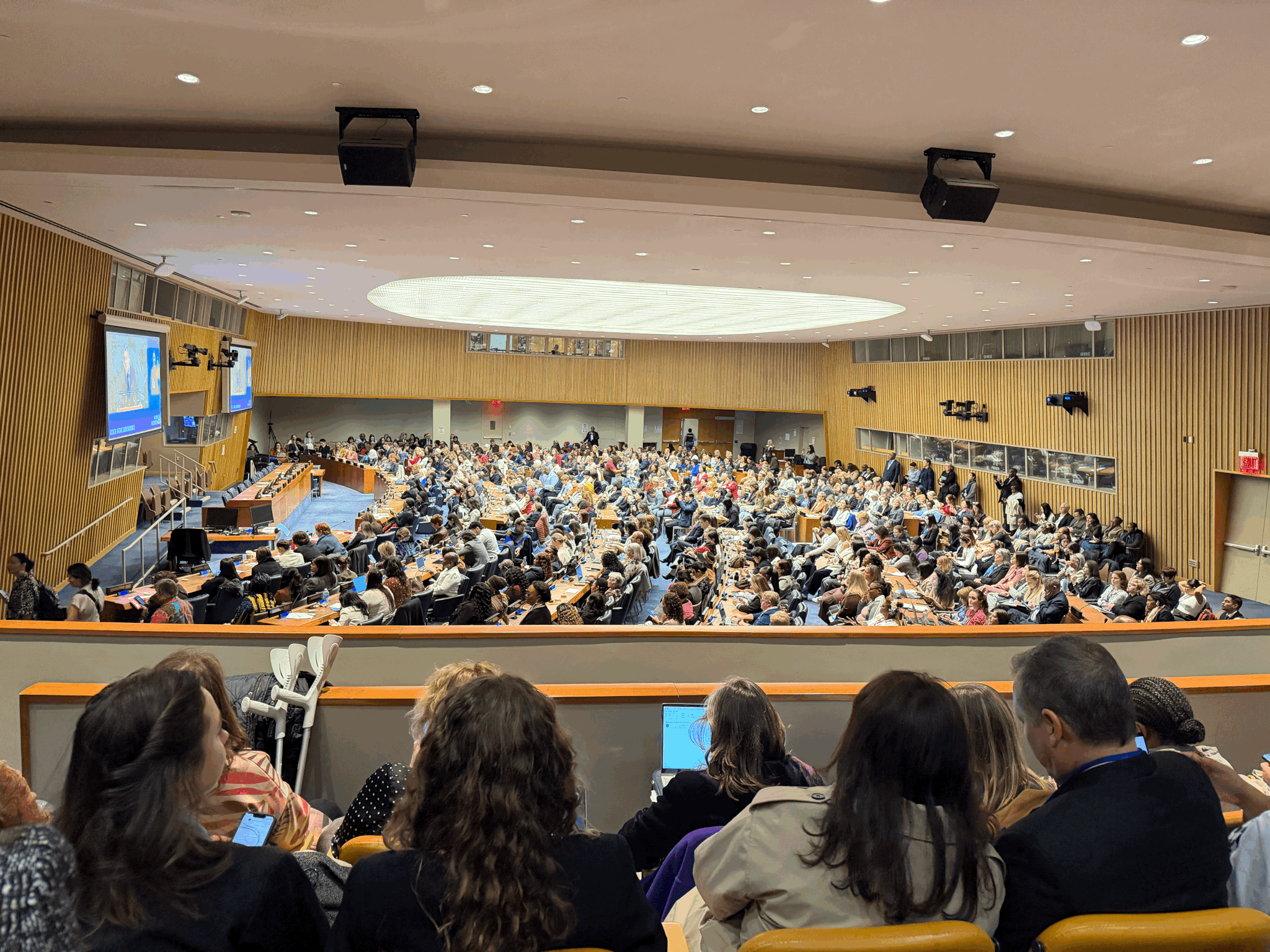
At CSW70, Indigenous Women gather in this Coordination Meeting to strengthen our collective articulation and move forward with a shared advocacy agenda.
✨ Co-create our collective advocacy agenda for 2026.
✨ Advance the action plan for the implementation of CEDAW’s General Recommendation No. 39.
✨ Strengthen FIMI as a space for coordination and support for Indigenous Women’s networks and leadership.
The challenge is to continue connecting these international spaces with the realities and priorities of our communities.
NM Legislature Day 18 Recap 2026
New Mexico for years has grappled with an outsized maternal mortality rate. Likewise, Native and Alaskan American women experience maternal mortality rates two to three times higher than non-Hispanic white mothers, according to a series of reports on Native American maternal health published late last year.
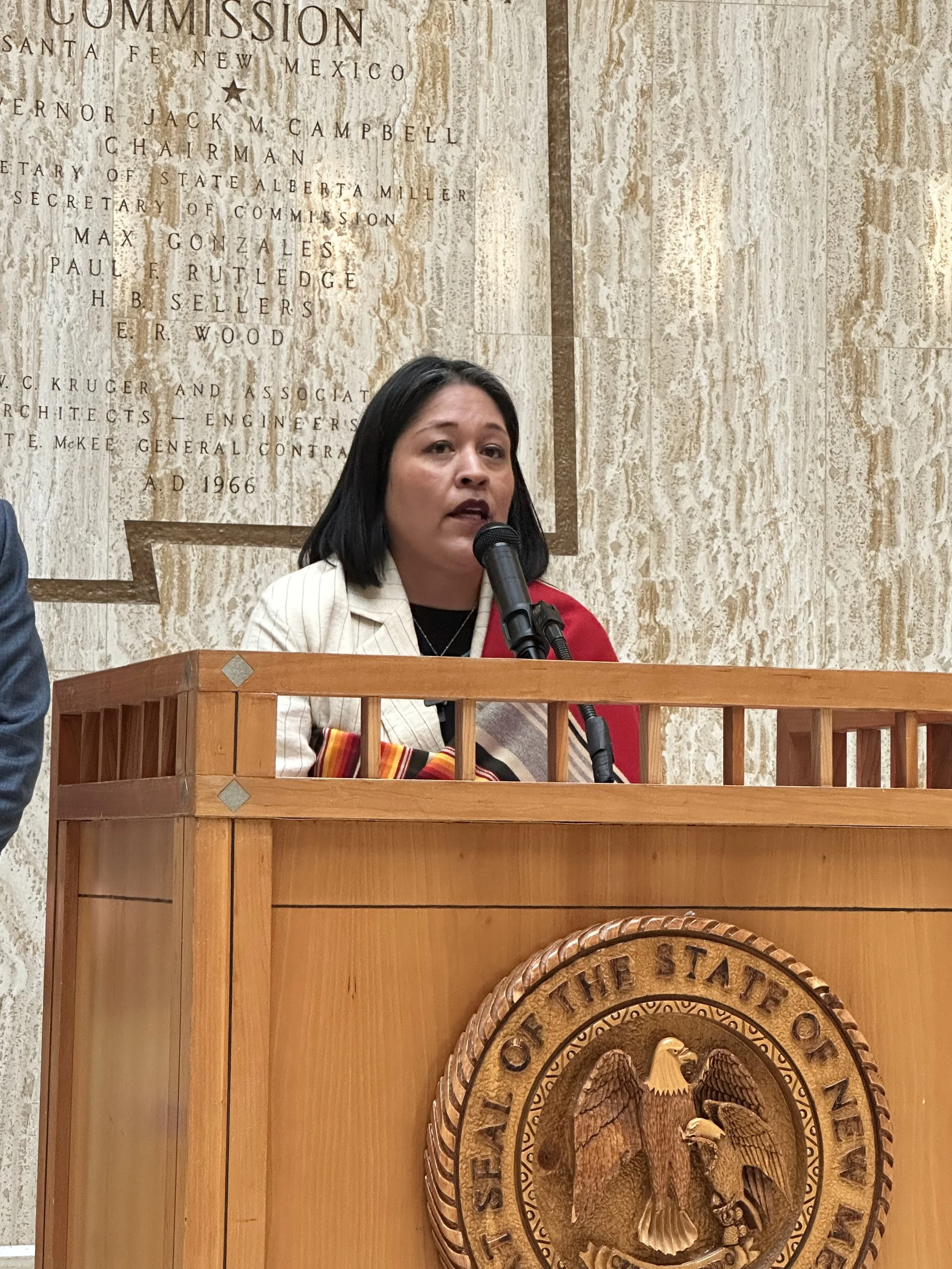
Nicolle Arthun (Navajo Nation) addressed a crowd of midwives, doulas and other birth workers in the Rotunda Friday afternoon and urged them to continue “building relationships with each other.”
“That’s where good policy begins,” she told them. “With each of us.”
Arthun, one of the contributors to the advisory group to the U.S. Senate Committee on Indian Affairs, told Source NM she hoped that in the future tribal leaders would engage on the issue along with lawmakers.
“It takes a community to elevate an issue to tell lawmakers what’s important and what’s a priority,” she told Source NM. “It can’t be just this year, it has to be every year. It’s not just important today.”
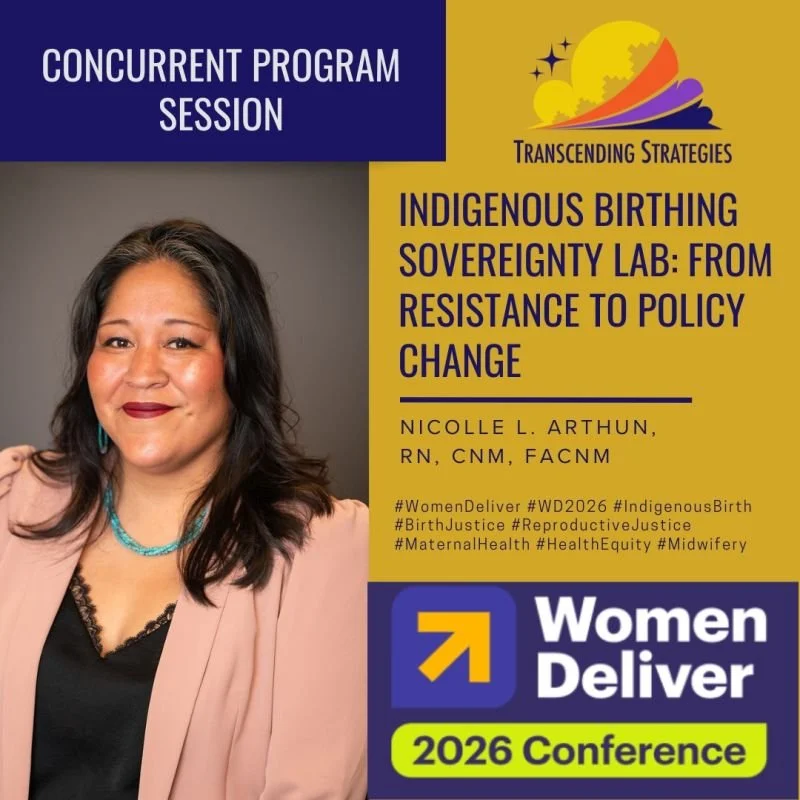
Women Deliver 2026 Conference
“Indigenous Birthing Sovereignty Lab: From Resistance to Policy Change”
This session will explore how Indigenous birth work, rooted in sovereignty, lived experience, and community practice, moves from frontline resistance to policy change and systems transformation.
Grateful to Women Deliver for uplifting diverse perspectives, and to the communities and movement builders who continue to protect and advance birthing sovereignty.
70th Session of the Commission on the Status of Women (CSW70)
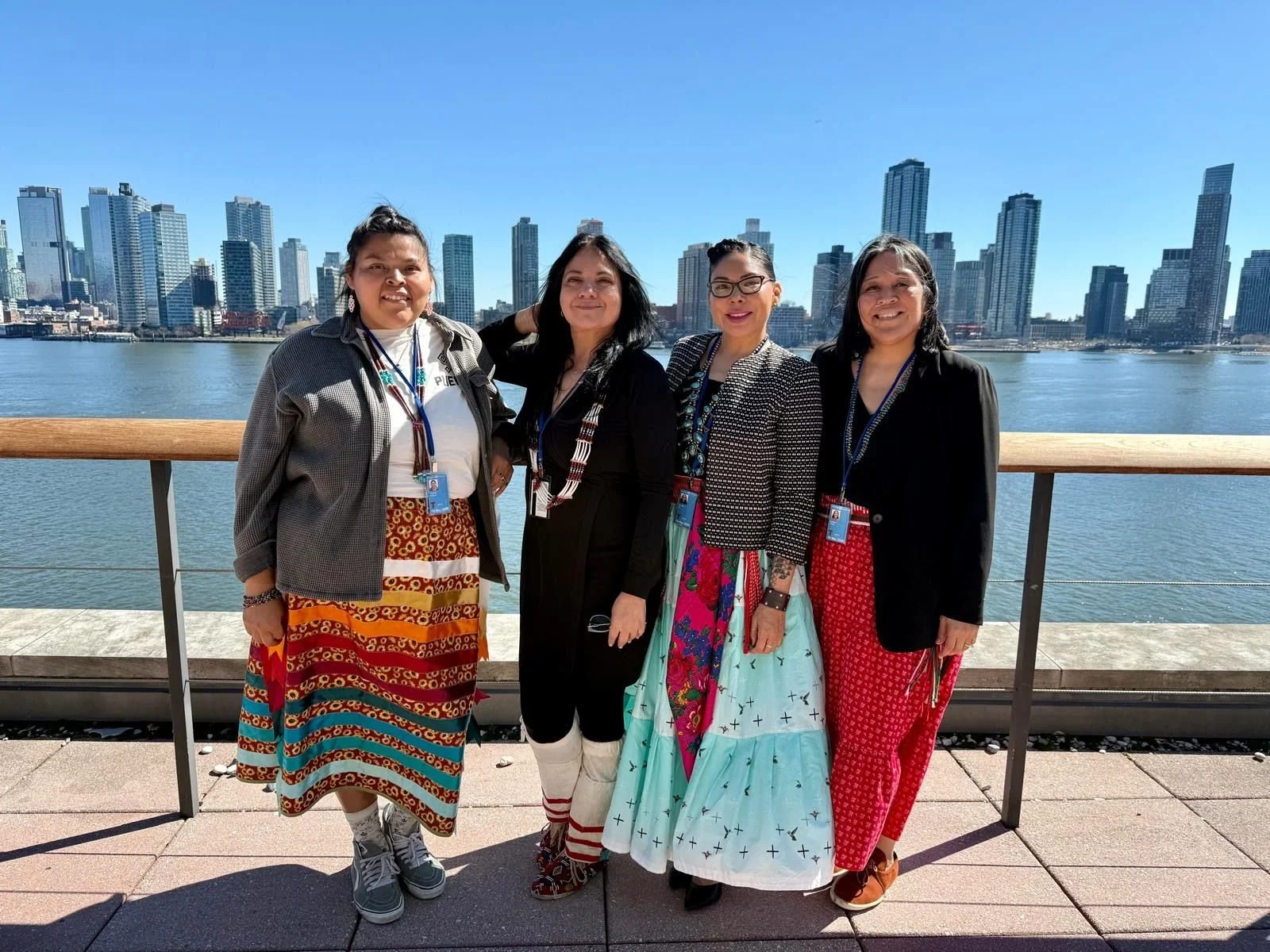
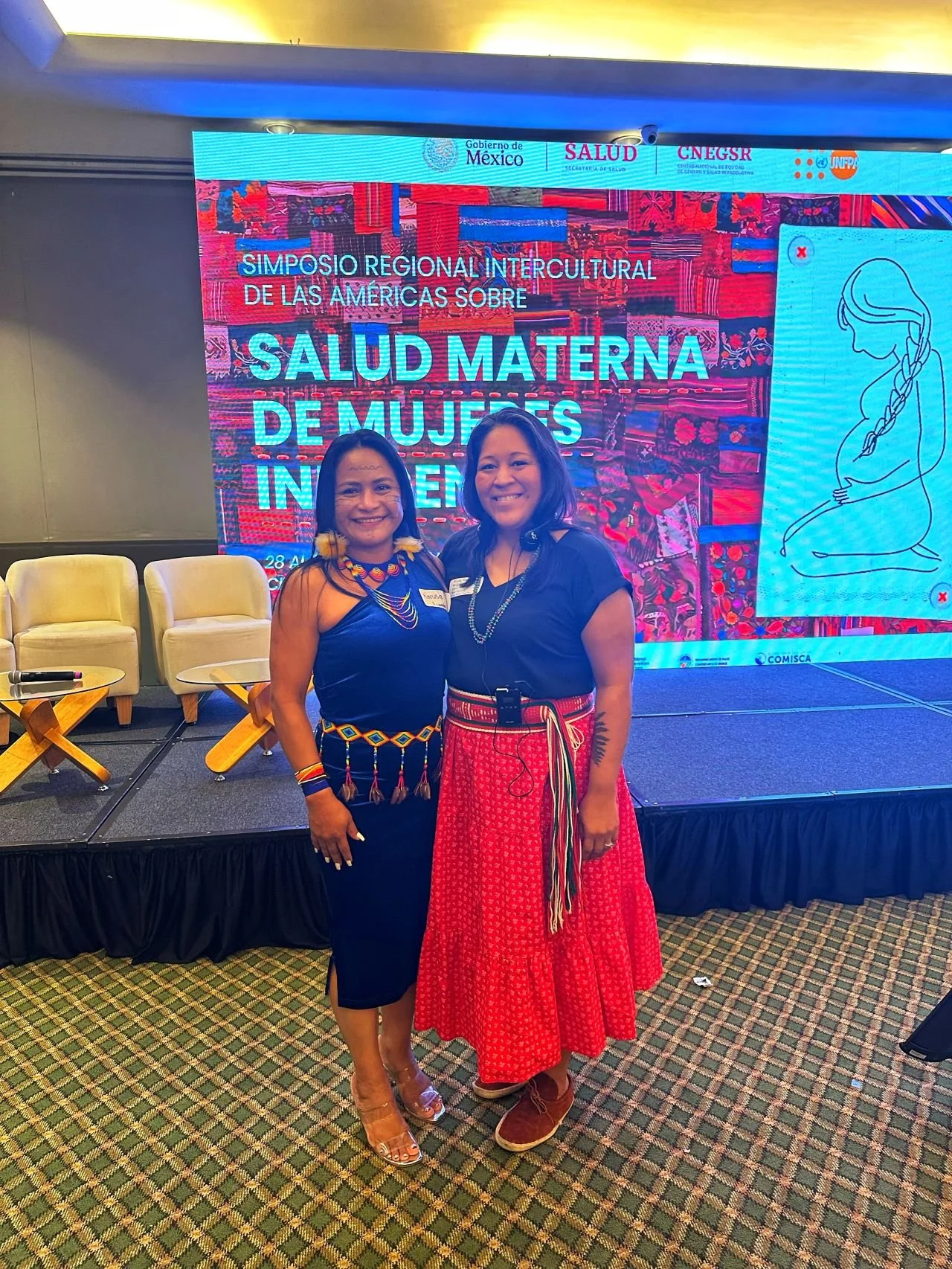
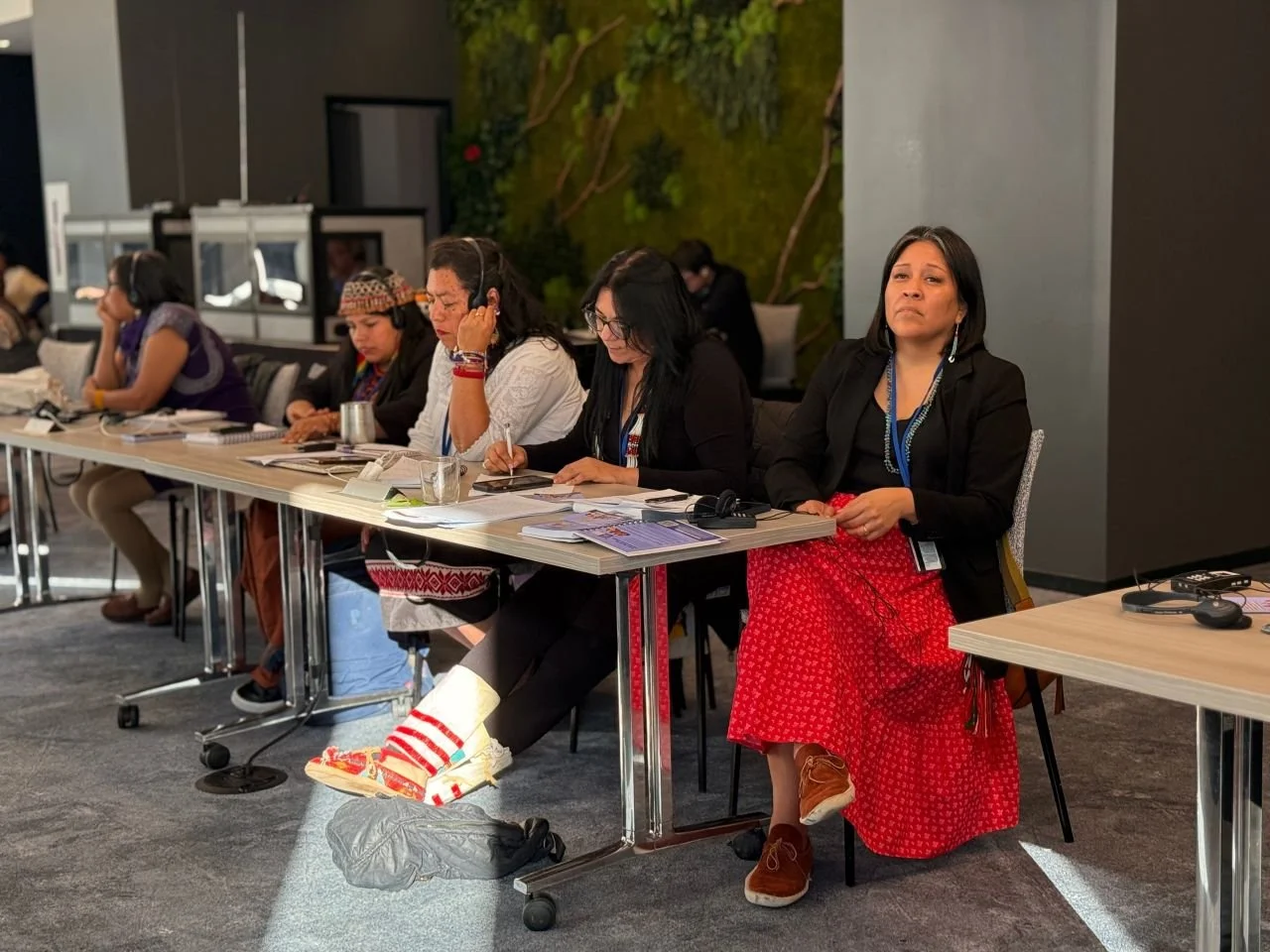
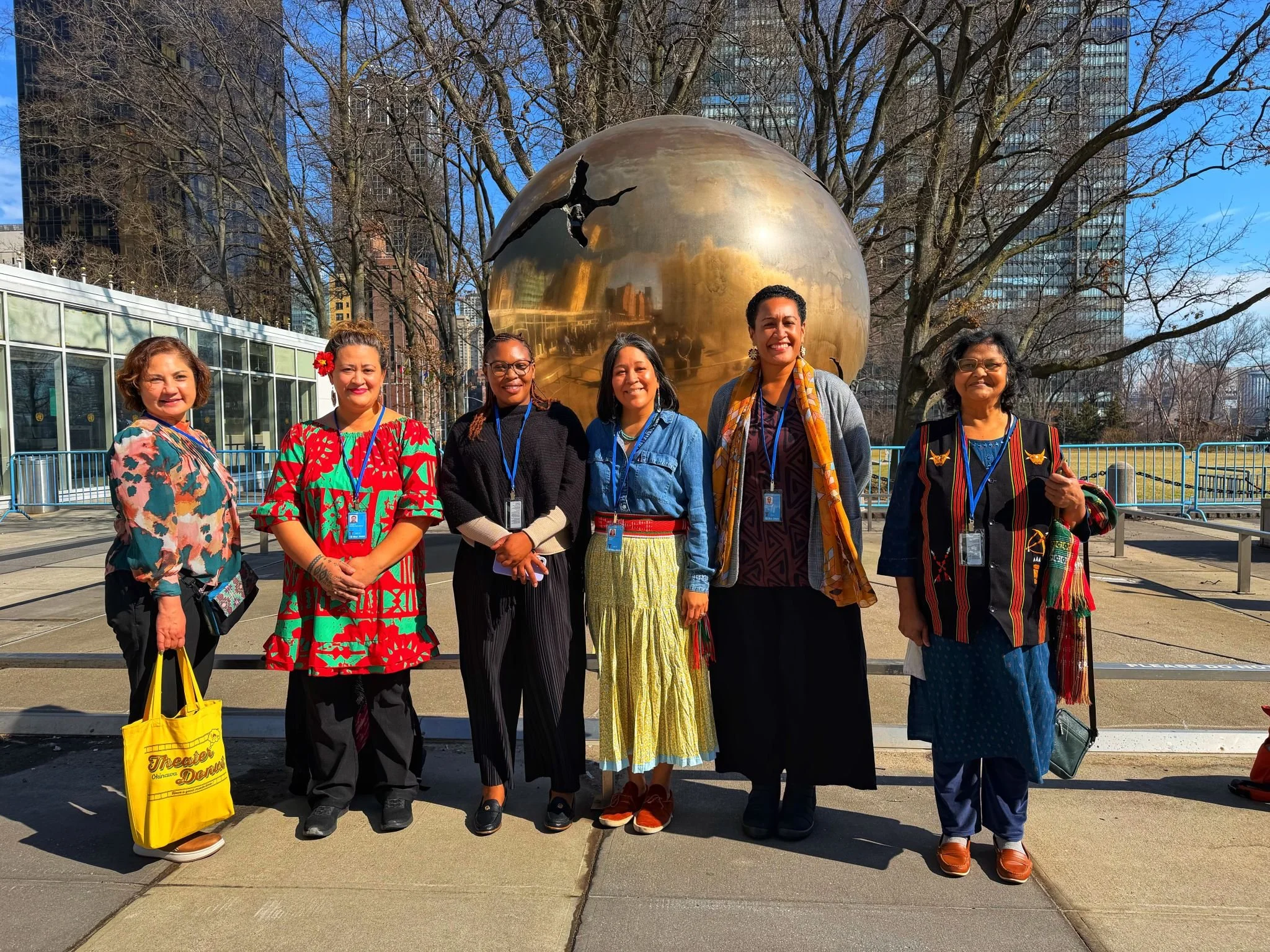
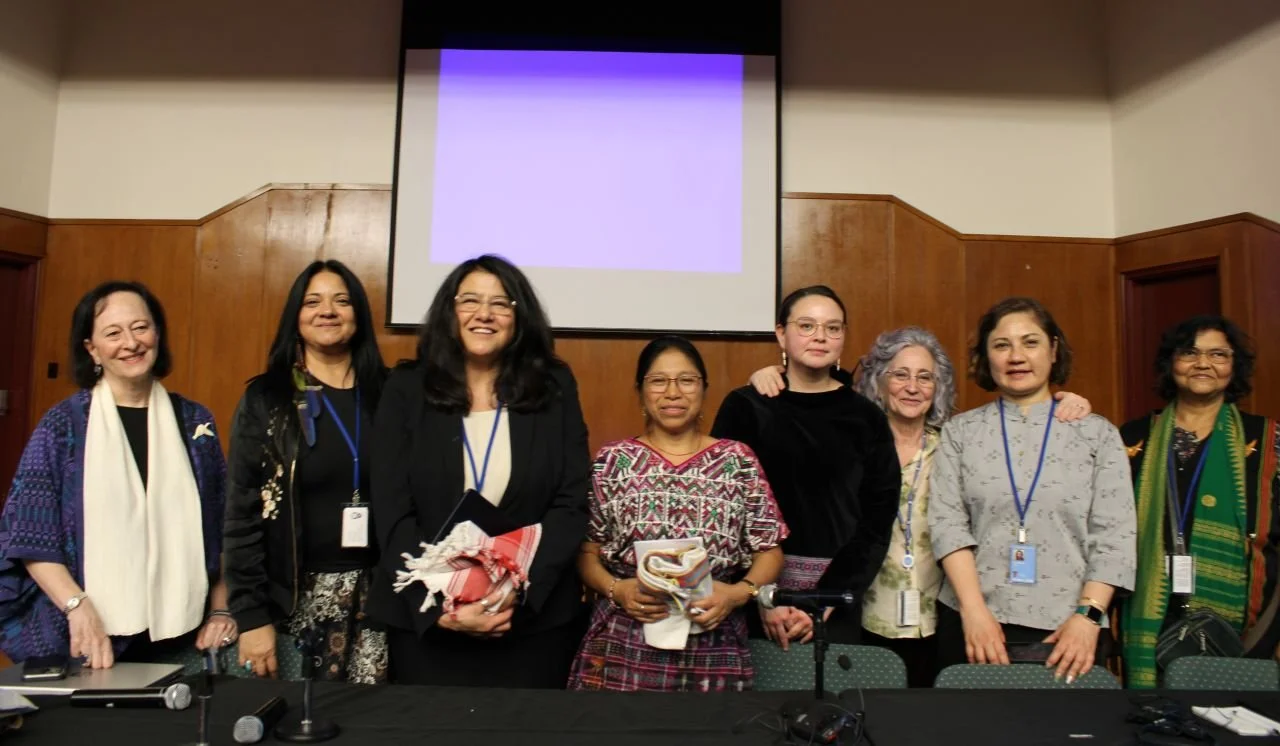
Honored to be participating in the 70th Session of the Commission on the Status of Women (CSW70) in New York alongside powerful Indigenous women leaders and organizations, including FIMI (International Indigenous Women’s Forum), ECMIA (Continental Network of Indigenous Women of the Americas), and PLUME.At CSW70, ECMIA presented a powerful statement highlighting the persistent structural violence faced by Indigenous women, youth, and girls across the Americas. The statement calls attention to the intersecting impacts of racism, colonialism, patriarchy, extractive industries, militarization of territories, and the systemic barriers that prevent Indigenous women from accessing justice.It also emphasizes the importance of intercultural, restorative, and community-centered justice systems that respect Indigenous Peoples’ right to self-determination and their own legal and governance systems.Key priorities include:• Strengthening access to justice and protection mechanisms• Recognizing Indigenous justice systems and coordinating them with state institutions• Supporting Indigenous women’s leadership and participation in decision-making• Investing in Indigenous-led justice initiatives and legal education• Ensuring comprehensive reparations, healing, and protections for survivorsThis work aligns with the implementation of CEDAW General Recommendation No. 39 on the rights of Indigenous women and girls, which is critical for advancing gender justice globally.Grateful to stand in solidarity with Indigenous women leaders, advocates, and allies working to ensure that the rights, leadership, and voices of Indigenous women shape international policy and action. Rosalee Gonzalez, PhD
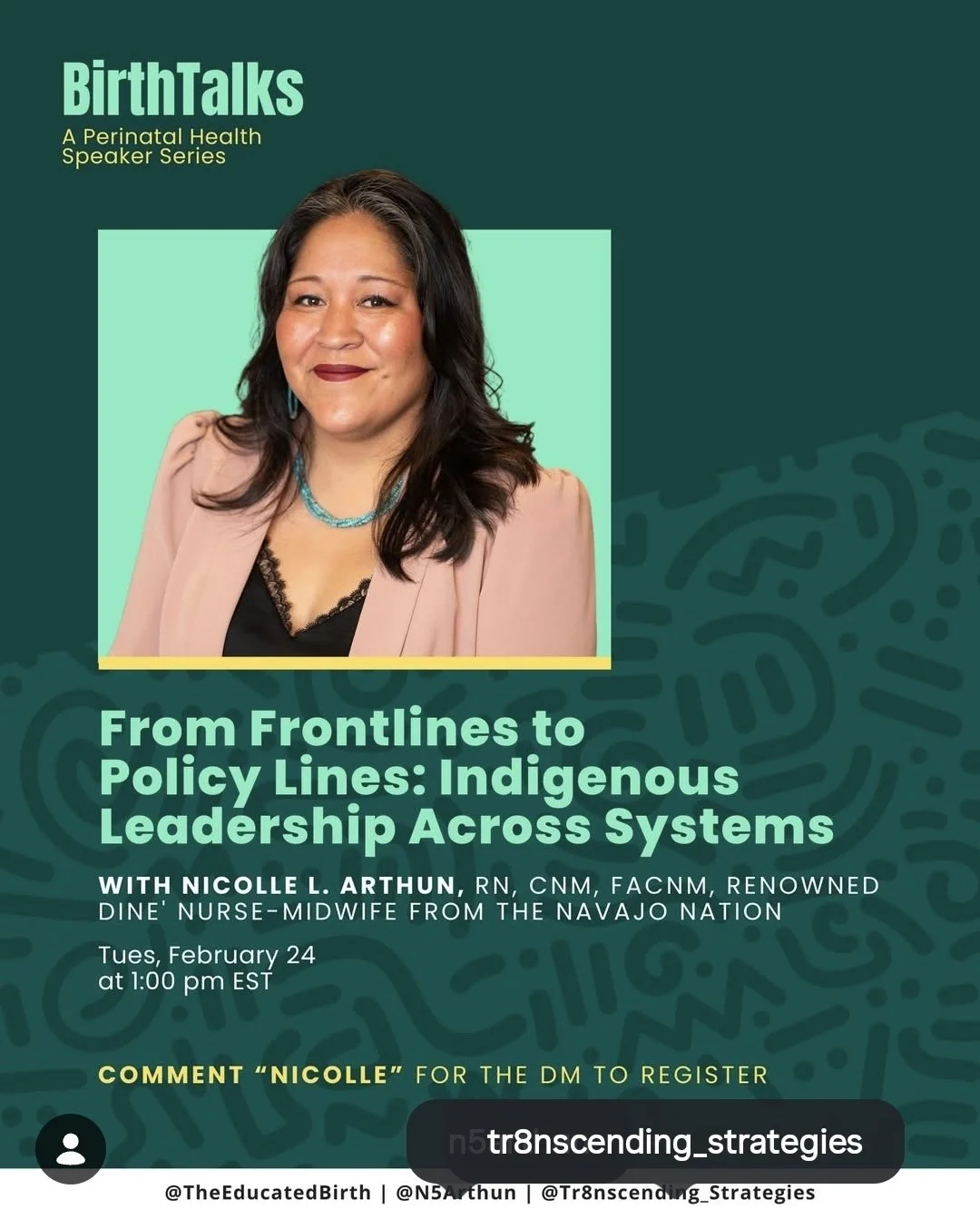
Birth Talks: A perinatal Health Speaker Series
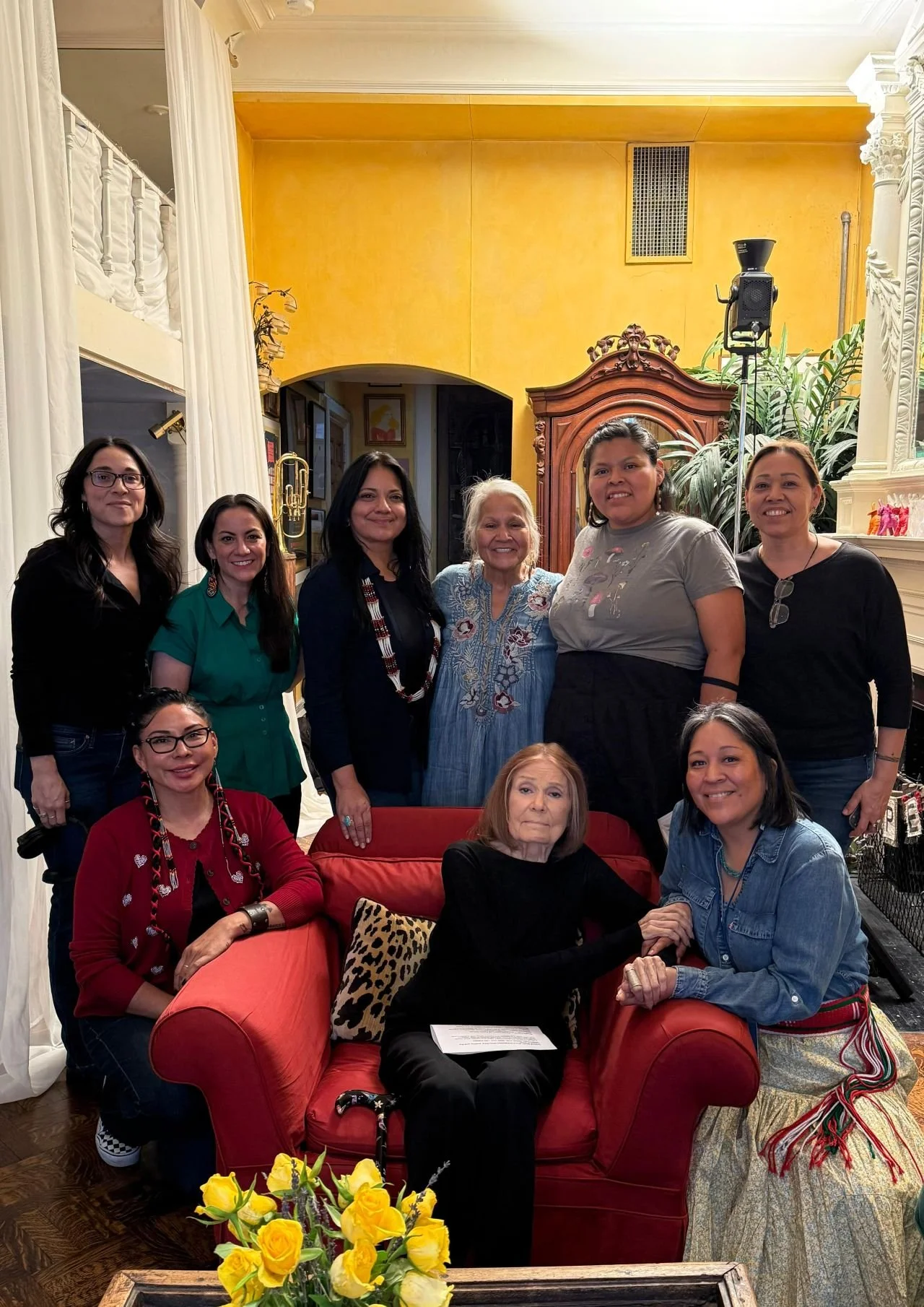
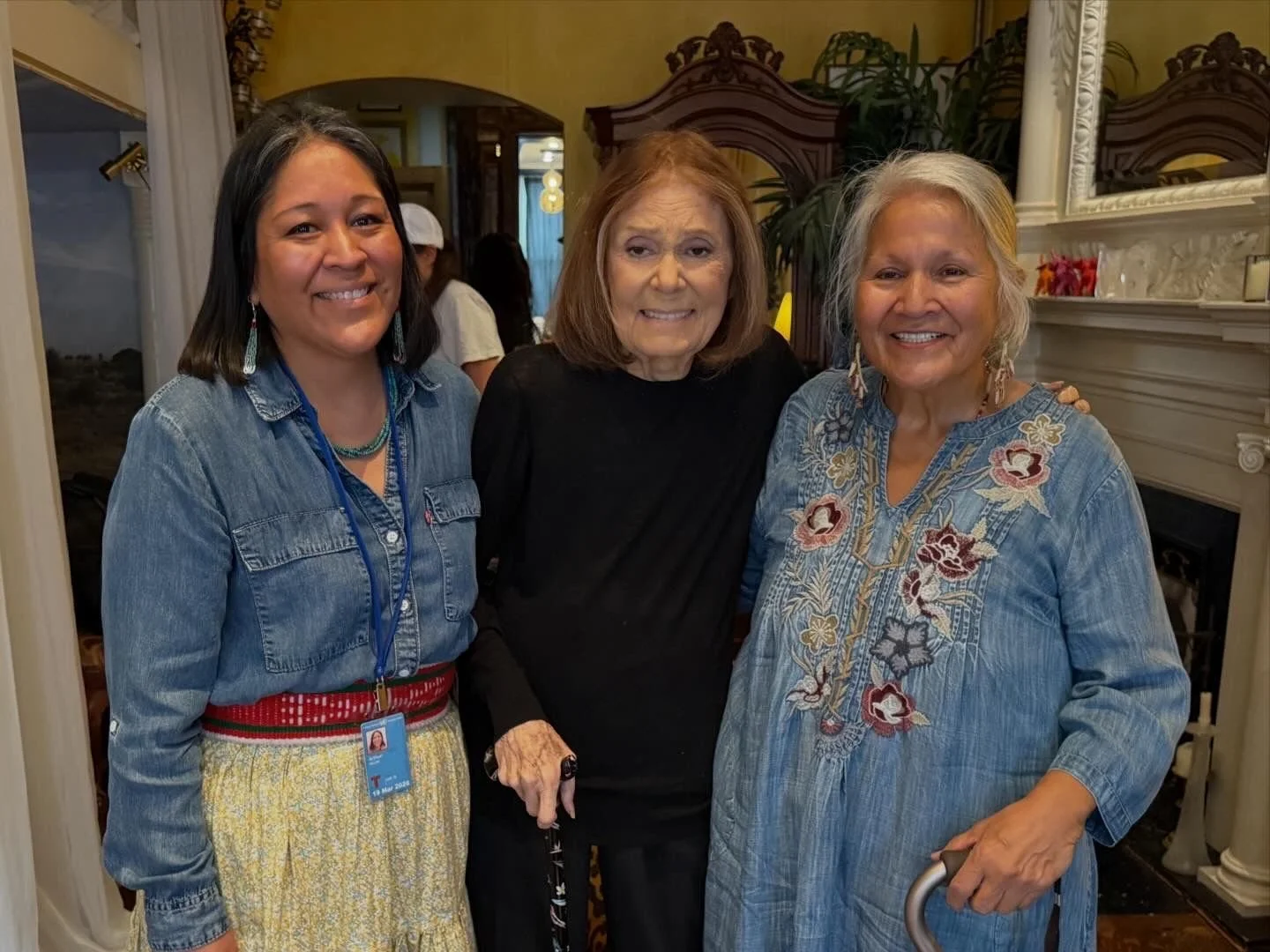
During CSW70 in New York, I had the honor of co-hosting Gloria Steinem’s Talking Circle titled “Birth as Sovereignty: Indigenous Midwifery, Justice, and the Future of Care.”
Co-Hosted by Gloria Steinem and featuring Katsi Cook (Mohawk Nation, Wolf Clan), and me...This intimate convening brought together Indigenous mothers, Indigenous funders, Indigenous leaders, and Policy advocates for a conversation grounded in listening, relationship-building, and shared responsibility.
Indigenous midwives carry living systems of knowledge that have protected birth, land, language, and community for generations. Yet these systems remain under-recognized, under-resourced, and in many cases structurally excluded from formal health systems.
At the same time, Indigenous women continue to face some of the highest maternal mortality and morbidity rates—clear indicators of deeper systemic injustice in law, policy, and health investment.
Our conversation centered on three critical questions:
• What does it mean to understand birth as sovereignty?
• Where does injustice show up in maternal health systems—through licensing barriers, reimbursement gaps, and institutional discrimination?
• What would protection and investment look like if Indigenous midwives were recognized as leaders of health systems?
This Talking Circle reaffirmed a core truth: Indigenous maternal and reproductive health is a human rights and justice issue. Indigenous midwifery is not an “alternative” model—it is a proven, living system of care that predates modern health institutions and continues to sustain communities today.
The gathering created space to build alignment across Indigenous leadership, UN partners, and philanthropic allies around concrete pathways forward—legal recognition of Indigenous midwives, protection from criminalization, equitable financing, and investment in Indigenous-led training and birth systems.
I am grateful to have helped convene this dialogue alongside Gloria Steinem and Katsi Cook and to contribute to advancing Indigenous midwifery leadership within global conversations on justice, health, and sovereignty.
Diné nurse-midwife Nicolle L. Arthun about the realities of Indigenous-led care across rural practice, tribal health systems, and national policy spaces. Drawing from her lived experience and professional leadership, Nicolle will explore how Indigenous knowledge, sovereignty, and community-rooted care must inform the policies and systems that govern pregnancy, birth, and postpartum care.
This session is part of the yearlong BirthTalks 2026 Speaker Series, featuring 16 powerful sessions with birthworkers, educators, advocates, and changemakers.
Past Events
Follow Us on Social